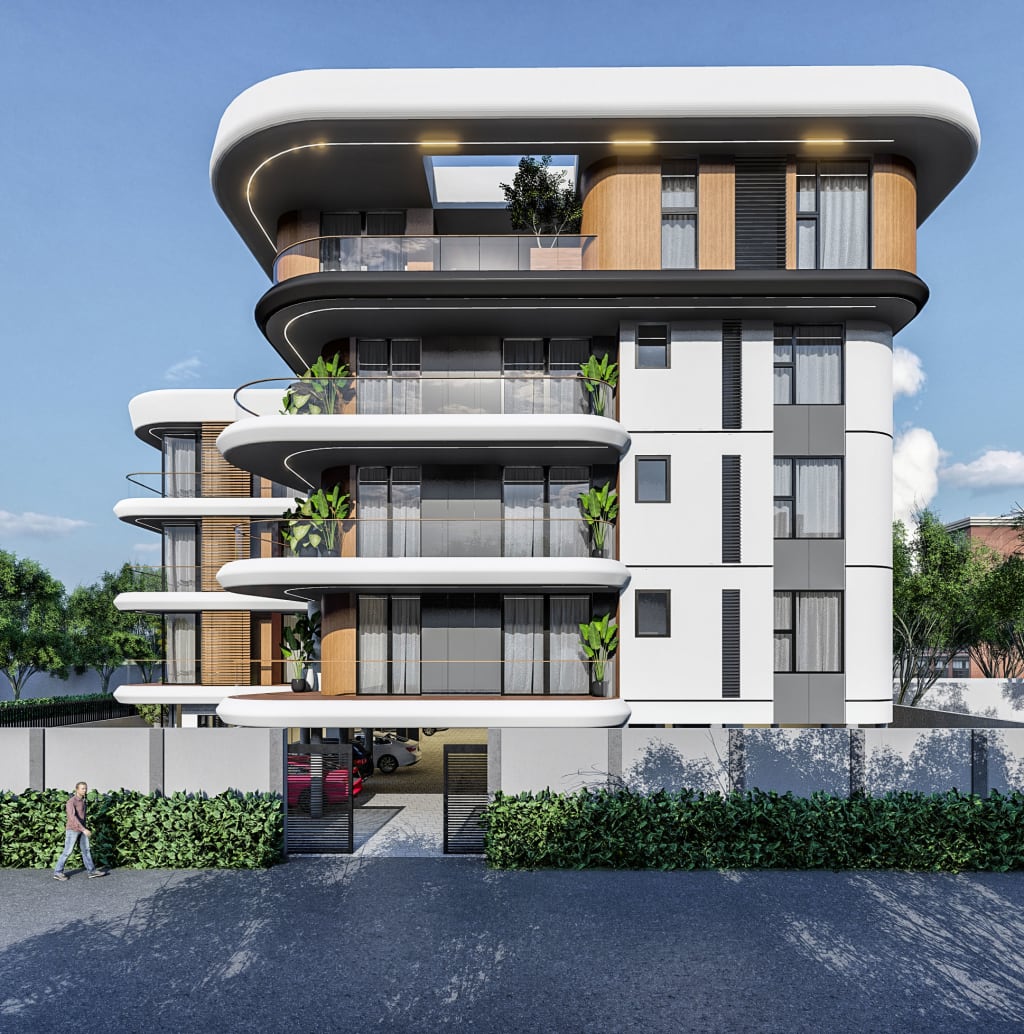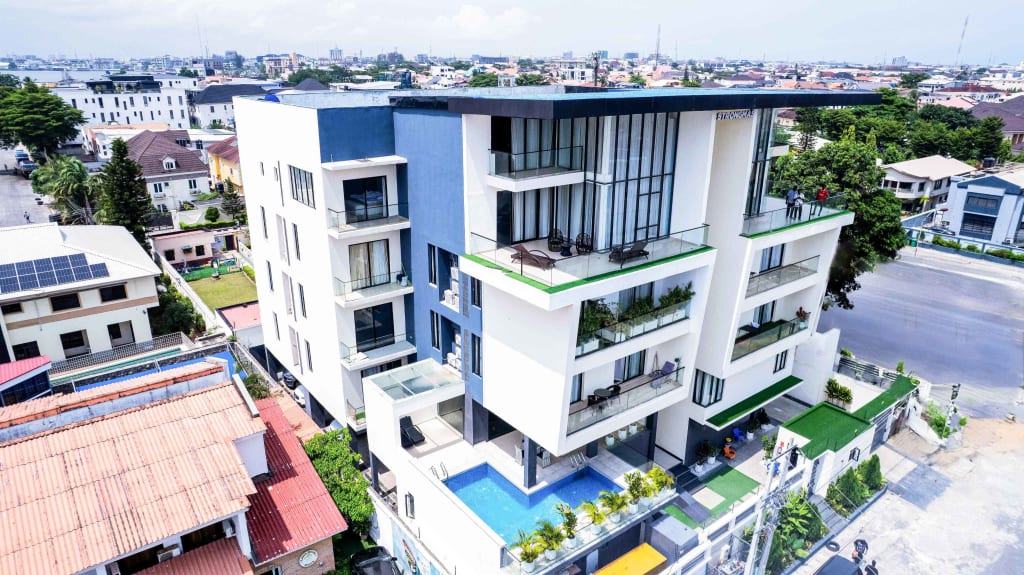
Buyers research price, floor area and finishes exhaustively, then move in and discover that the things shaping daily life are the commute, the school run and how long it takes to buy groceries.
This is what living in Lekki Phase 1 actually involves.
Connectivity
The district's defining practical feature is its position at the start of the Lekki–Epe axis, immediately beyond Victoria Island. For Island-based professionals that means a genuinely short commute by Lagos standards.
From Aurum's location on Adekola Balogun Street, Eko Atlantic City is roughly eight to ten minutes, the Lagos–Calabar Coastal Highway about eight, the Civic Centre about six, and Murtala Muhammed International Airport thirty-five to forty-five. Traffic varies by hour and by season, worth testing at the times you would actually travel.
Everyday convenience
Retail, dining and services are established rather than promised. Prince Ebeano Supermarket is within five to ten minutes of the Adekola Balogun corridor, with EbonyLife Cinema around ten and Upbeat Recreation Centre eight to ten.
International schools, premium healthcare, fine dining and luxury retail are all present in the district, one of the clearer advantages of a mature area over a developing one.
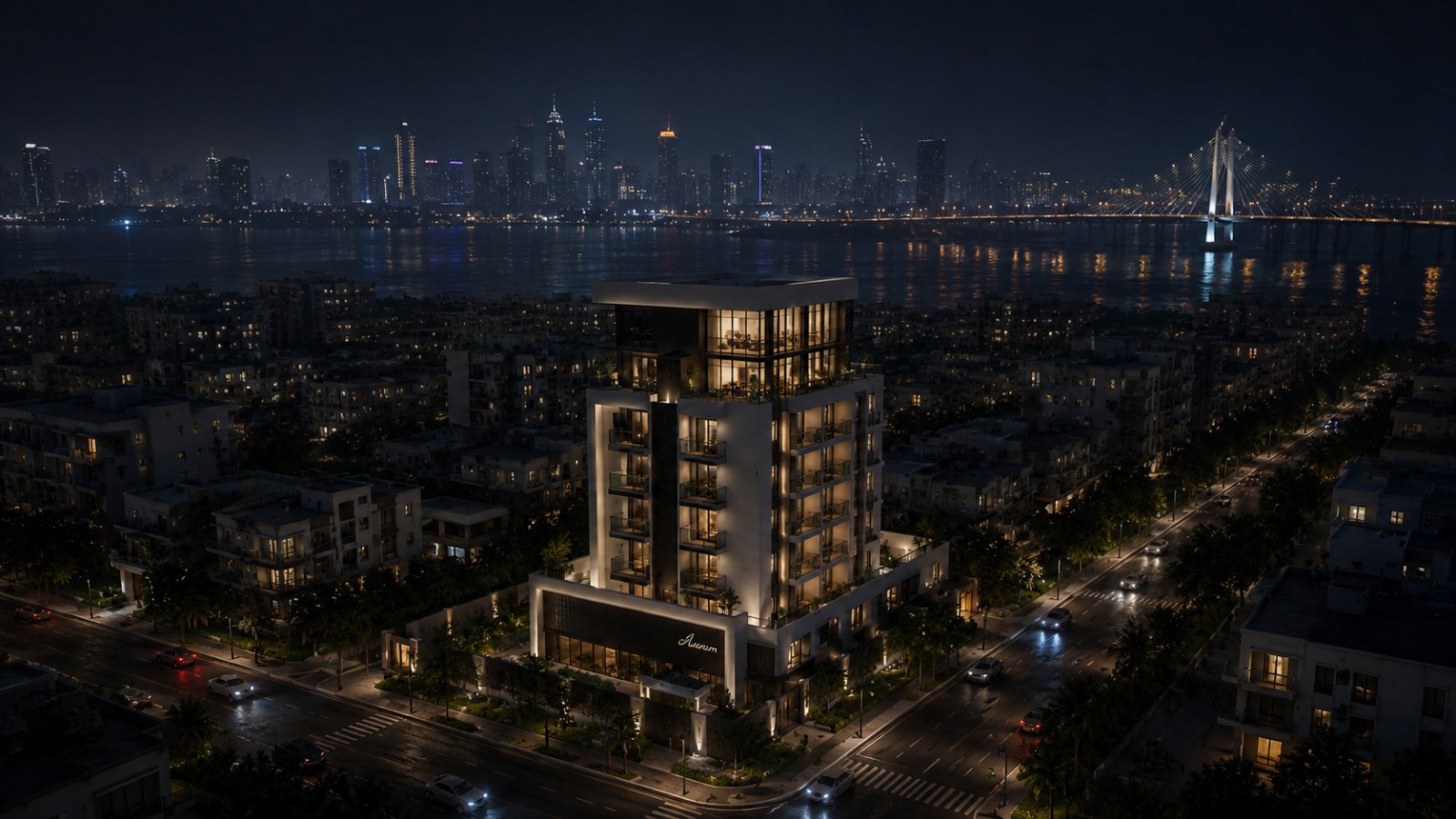
The residential texture
Lekki Phase 1 is not a tower district. Its streets carry a mix of detached houses, terraces, low-rise apartment buildings and boutique developments, which keeps density and street-level noise lower than the Island.
For families in particular this is often the deciding factor: space and quiet within a short drive of the commercial core.
The honest trade-offs
Traffic on the main arteries at peak hours is real, and worsens as the axis develops further east. Prices are high relative to districts further out. And as an established district, availability of new premium stock is limited.
Set against that: infrastructure that works today, a deep resale and rental market, and proximity that newer areas cannot match.